


Why Researchers Say They Have Reached ‘Critical Phase’ in Finding Amelia Earhart’s Plane
Why Researchers Say They Have Reached ‘Critical Phase’ in Finding Amelia Earhart’s Plane

Abigail AdamsThu, October 15, 2026 at 3:20 PM UTC
13
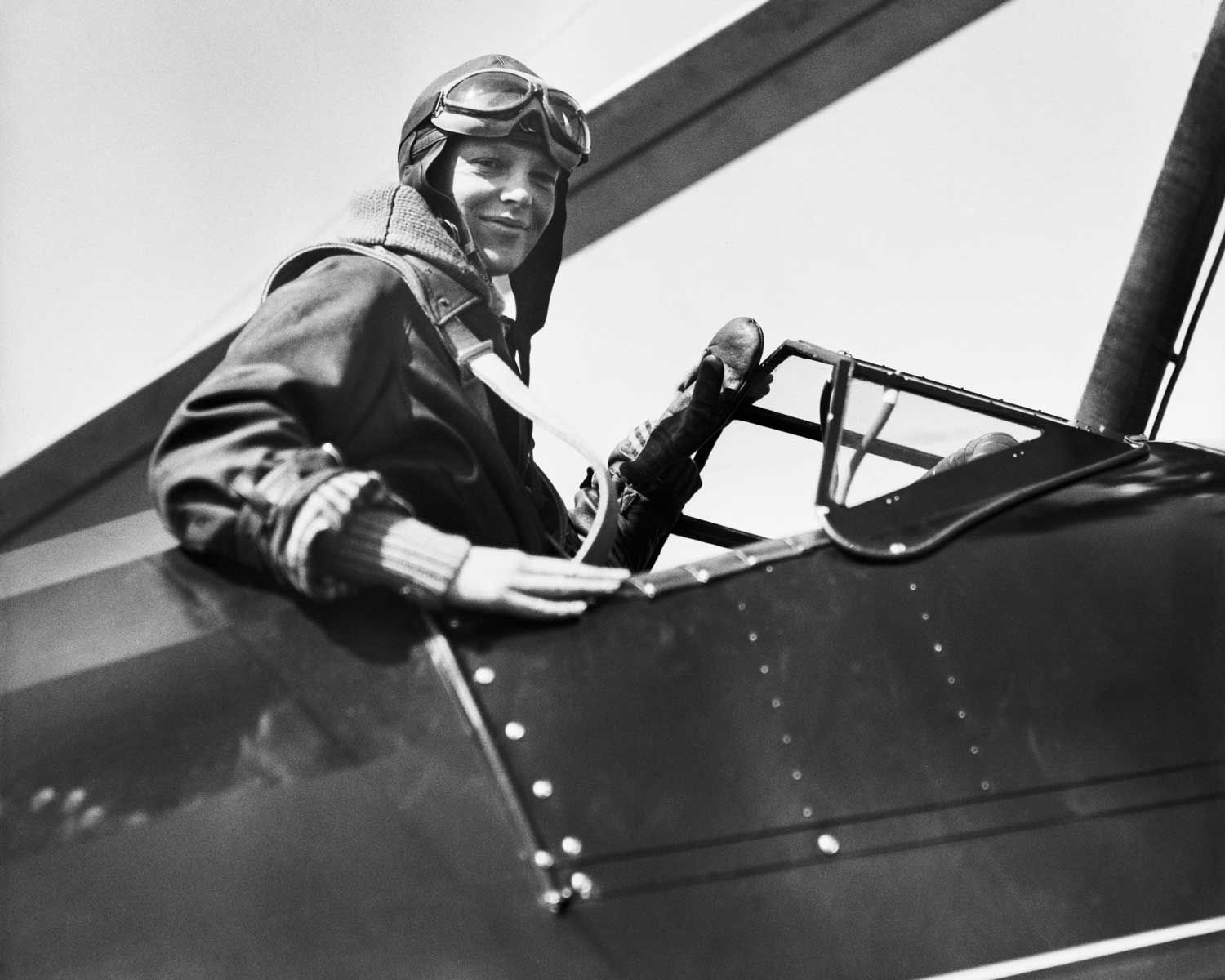
Amelia Earhart disappeared in 1937.Credit: Bettmann -
A 17-person team is investigating a visual anomaly in Nikumaroro’s lagoon linked to the 1937 disappearance of Amelia Earhart
Researchers expect to share findings within the next 48 hours after launching an underwater search on Oct. 14
The team is looking for evidence of the so-called “castaway hypothesis,” which suggests Earhart and navigator Fred Noonan landed on the uninhabited island
Researchers say they have reached a “critical phase” in the elusive search for Amelia Earhart‘s plane.
For nearly nine decades, the mystery surrounding Earhart’s disappearance has never been solved. The celebrated aviator vanished in 1937 while she and navigator Fred Noonan attempted to circumnavigate the globe.
But the search for her missing plane has escalated of late. And now, a major update is hopefully imminent.
Purdue University announced on Thursday, Oct. 15, that an update on the identification of the Taraia Object — a “visual anomaly” found in satellite imagery near where Earhart is believed to have possibly gone down — is expected within the next 48 hours.
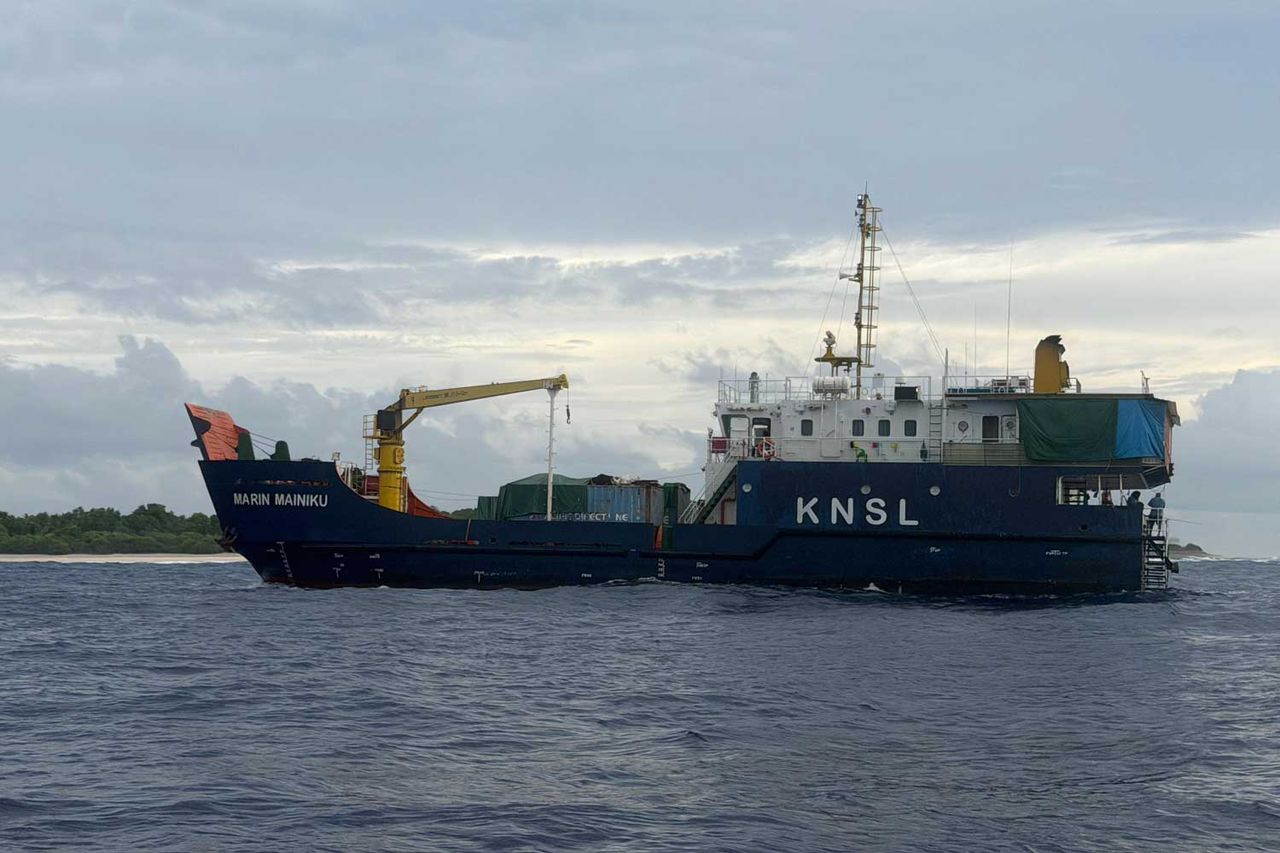
Researchers have been scouring a portion of the South Pacific as they look for answers in the Amelia Earhart mystery.Credit: Purdue University
“This is a complex scientific process. You don’t simply arrive at a site and immediately identify what’s there,” said Rick Pettigrew, executive director of the Archaeological Legacy Institute, in a statement. “We have to carefully collect the data, analyze it and reach sound conclusions.”
Members of the Taraia Object expedition launched an underwater search in Nikumaroro’s lagoon in a remote part of the South Pacific on Wednesday, Oct. 14, as they seek out what could be Amelia Earhart’s Lockheed Electra 10-E, according to a news release from Purdue University.
The 17-person team is looking for evidence of what Purdue called the “castaway hypothesis,” which the university described as “the theory that when Earhart and her navigator Fred Noonan disappeared in July 1937 on the third-to-last leg of her round-the-world flight attempt, the pair landed on this uninhabited island.”
Advertisement
The team is specifically inspecting the Taraia Object, which was visible on aerial photos taken of the island’s lagoon as far back as 1938, according to Purdue University. It was first noticed in satellite imagery in 2020.
The satellite image helped prompt this most recent search around Nikumaroro, which is about halfway between Hawaii and Australia.
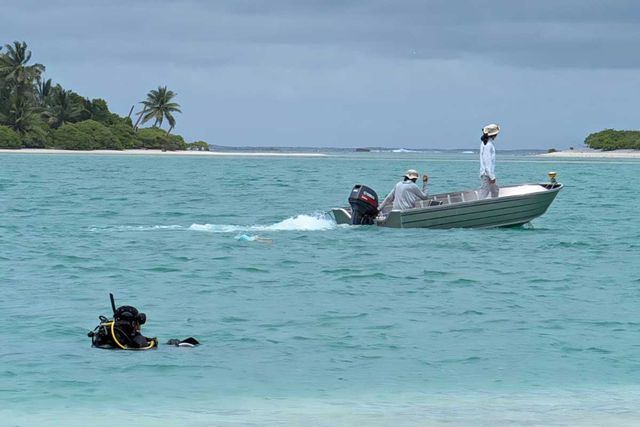
Severe weather temporarily paused the search for answers in the Amelia Earhart mystery in the South Pacific.Credit: Purdue University
— sign up for PEOPLE’s free daily newsletter to stay up-to-date on the best of what PEOPLE has to offer, from celebrity news to compelling human interest stories.
During this current search, crews have used a magnetometer and side-scan sonar to gather data about the Taraia Object, according to Purdue University. However, severe weather forced the team to temporarily pause field operations.
Still, the team plans to share news about their findings in the coming days. The last two days of the investigation “will include the use of a hydroprobe and a water injection dredge to make contact with the object and remove sediment from it to make a visual assessment,” per the university.
“We understand the tremendous interest in what we’re doing at Nikumaroro, and we appreciate everyone’s patience,” said Pettigrew in his statement.
on People
Source: “AOL Breaking”
