


What 'Toy Story 5' gets very wrong about kids and screen time
What 'Toy Story 5' gets very wrong about kids and screen time

Kelly Lawler, USA TODAYTue, June 23, 2026 at 6:13 PM UTC
0
90609890007
Spoiler alert! The following contains details about the ending of "Toy Story 5," now in theaters.
The age of toys may be over, but the relevance of "Toy Story" hasn't waned a bit. And it's touching on a topic parents all over the world are still trying to figure out.
Disney and Pixar's iconic franchise, which began all the way back in 1995 with the first movie about a cowboy rag doll and his astronaut action figure frenemy, was back in theaters this month with "Toy Story 5." The new installment features the iconic talking toys, only this time, they have a new enemy: The iPad.
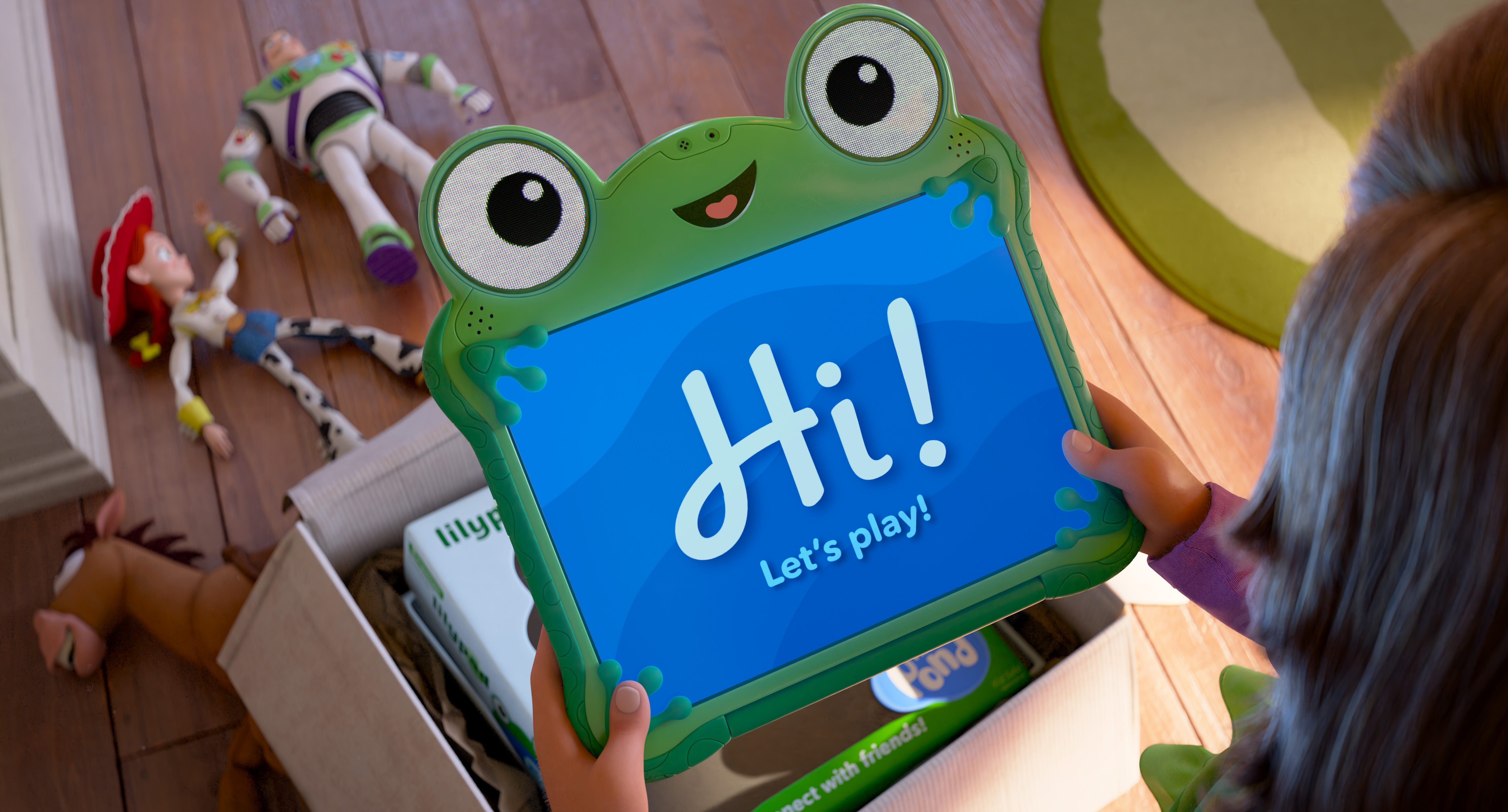
Well, of course, the film never uses that Apple-branded word, but the plot of "Toy" follows Jessie (Joan Cusack), favorite bedroom toy of 8-year-old Bonnie (Scarlett Spears), who is horrified when Bonnie starts spending all her time on a kid-friendly tablet called Lilypad (Greta Lee).
Jessie soon discovers, with the help of old pals Woody (Tom Hanks) and Buzz (Tim Allen), that kids all over the world are entranced by the lure of "devices" and "tech," and they no longer playing with toys. This kicks off a war between Jessie and Lily, as Jessie tries to both get rid of the tablet and help shy Bonnie make new friends.
It's almost inevitable that a "Toy Story" story in 2026 would have to include the insidious creep of personal devices and screen time into the lives of our children. As the parent of a four-year-old, I spend days and nights sweating over whether I'm allowing my child to watch too much TV, if I'm on my own phone in front of her too much and worrying about when and how she'll get a smartphone.
I'm not the only one. Parents have long debated the right use for screens for kids, from the effects of "idiot box" cartoons in the 1980s to the rise of video games in the 1990s to "tablet kids" in the past decade and a half. This is not limited to screen time at home: Parents, educators, pediatricians and legislators all over the country and the world are expressing concern about one-to-one device usage in schools. The question of whether or not it's OK to give your 8-year-old a tablet is extremely fraught and relevant.
In the context of the movie, the discussion of screens and tech is surprisingly nuanced (perhaps slightly too nuanced for the youngest audience members to understand). Jessie, Woody and Buzz originally reject Lily and her ilk in totality, champions as they are of the imaginative play kids get to enjoy with their regular old toys. However, in a detour to the house of another child, Jessie meets Smarty Pants (Conan O'Brien), a low-tech potty training toy/game that's seen as something of a gateway drug to the world of screens. He and other gadgets (a digital camera and GPS device) slowly endear themselves to Jessie, as they are, too, just looking out for a kid they love.
Lilypad also redeems herself by the end of the movie. In addition to turning Bonnie into a zombie playing mindless touchscreen games, Lily helps Bonnie join group chats with other kids, meaning the once-isolated child is no longer out of the loop with the cool kids. As Lily tells the rest of the toys, this is how kids make friends in our current day and age.
The mention of "group chats" is sure to strike fear in the hearts of parents everywhere, a special subset of screen time fears. Parents who delay giving their kids devices risk having them be left out of these crucial chats where so much of social interaction for particularly preteens and teens happens. But those chats are also rife with bullying and inappropriate content, completely unmonitored and unregulated. They create major problems for families and schools, to the point where punitive action must be taken. The American Academy of Pediatrics even has official guidance for group chats.
Advertisement
Parents are just trying to do what's best in the most difficult society and culture for parenting that's ever existed. Baby Boomers never had to worry that their children would be exposed to online pornography or that their images could be used for deepfakes or sextortion. They never had to navigate social dynamics on 10 different platforms, from Roblox to social media to 20 different group chats. And the pressure to fit in is not just for kids. If every parent in the class has let their kid have a tablet and you haven't, maybe you're the one doing something wrong?
89005393007
In "Toy Story," Bonnie's parents think they're doing something to help Bonnie by buying her a tablet. She struggles socially, and they realize all the kids are socializing online. When Bonnie seems more and more depressed by what happens on the tablet, they try to limit her. When she's bullied, they are there for her.
I felt deeply for them, even though they are such a small presence in the film. I, too, want to do everything right for my kid, and there's no one to tell me what the right answers are.
How much screen time is OK for kids? A judgment-free guide for parents
By the end of the film, Lilypad has become just one more toy in Bonnie's bedroom, playing music at pretend weddings and being used to snap selfies for Bonnie and her new best friend, Blaze (Mykal-Michelle Harris). Lily even makes the self-sacrificial move at the film's climax to temporarily leave Bonnie, fearing that she's made things worse for the young girl.
That all makes sense from a storytelling perspective: Villains learn and grow and realize the heroes were right all along. But it also subtly suggests that Big Tech is on Bonnie's side. That a device is morally neutral, and is only bad if the parents or children use it badly.
I don't want my kid to think that any screen is her "friend." When Woody says Lily is "one of us," he's fundamentally wrong. No matter how responsibly parents think screens can be used for young kids, nothing changes the fact that they are addictive slot machines that have been proven by research to harm children. As one 2023 study plainly states: "Too much time spent in front of a screen and multitasking with other media has been related to worse executive functioning and academic performance."
But the thing is, keeping kids off screens entirely isn't really the goal of "Toy Story 5." Kids' movies can have sweet messages and helpful morals, but they are, inevitably, consumer products designed to make money, and not just on ticket sales. Disney is a business, after all.
LeapFrog toys have already released an official licensed tablet-style Lilypad device for ages 3-5, only $27.97 at Walmart. The description says your preschooler can "stay connected with Jessie, Buzz, Woody and the Tech Trio by texting them using emojis and preset messages."
In a world run by Big Tech companies increasingly targeting our children's time and attention, neither cowgirl rag dolls nor parents feel like they have much of a chance.
This article originally appeared on USA TODAY: What 'Toy Story 5' gets wrong about kids and screen time
Source: “AOL Entertainment”
