


NC should see data centers as opportunity, not threat | Opinion
NC should see data centers as opportunity, not threat | Opinion

John Szoka, Fayetteville ObserverWed, October 14, 2026 at 9:01 AM UTC
0
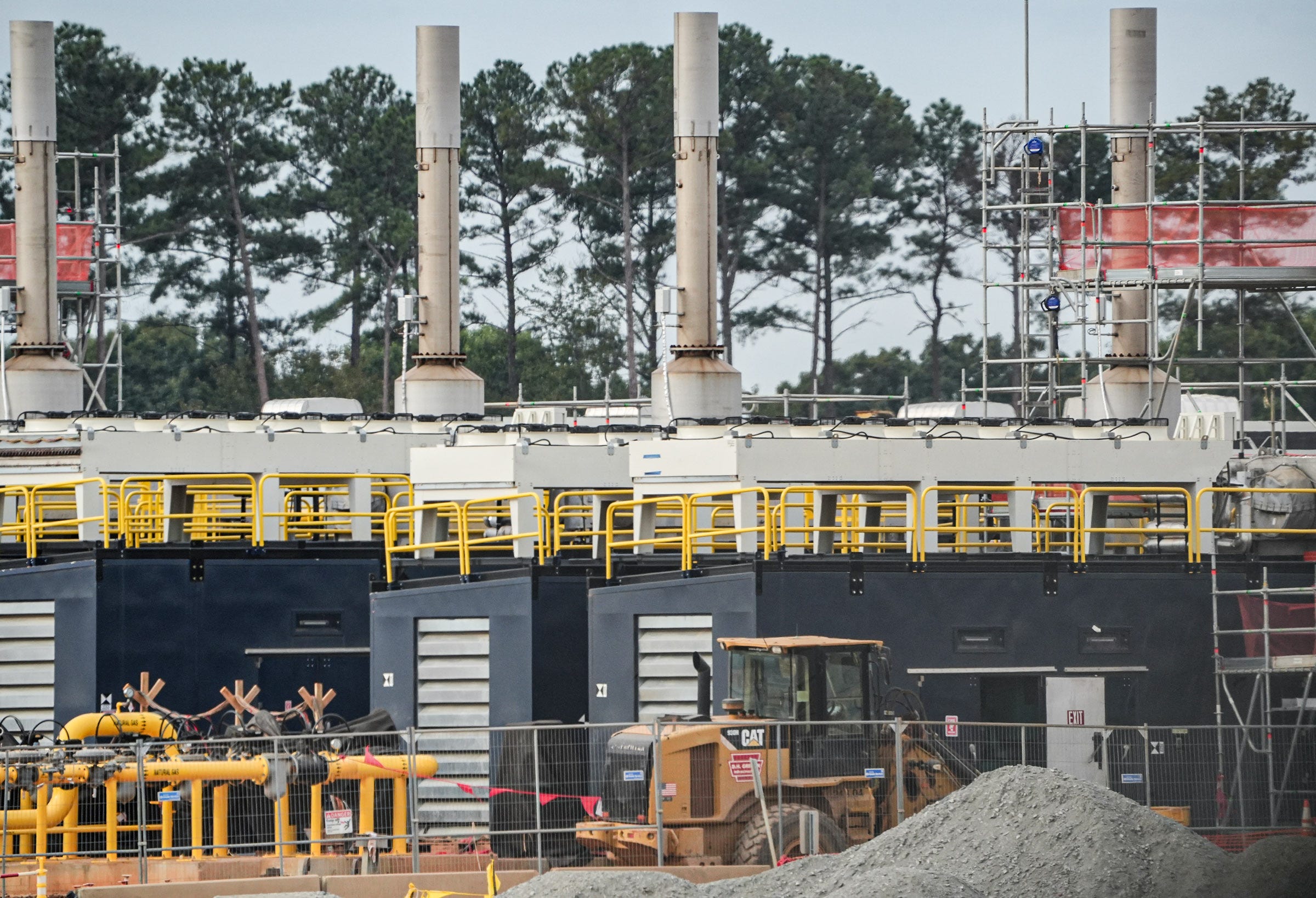
Former N.C. Rep. John Szoka argues data centers bring jobs, tax revenue and economic growth while supporting America's technology future.
Data centers have quickly become one of North Carolina's most misunderstood economic-development issues. Too often, the debate starts with what people fear instead of what these projects represent: enormous private investment, a substantial new tax base, construction and skilled-trade jobs, and the infrastructure required to compete in an increasingly digital economy. North Carolina has spent decades building a reputation as a state where companies want to invest, innovate and create jobs. We should approach data centers with that same practical mindset — understanding both their benefits and their impacts and making decisions based on facts.

Data centers’ economic impact deserve attention
The economic numbers deserve attention. According to the North Carolina Chamber, the data center industry contributed an estimated $18.45 billion to North Carolina's GDP in 2024 and generated approximately $1.39 billion in state and local tax revenue. These facilities also require enormous capital investment in land, buildings, electrical infrastructure, equipment and technology. Unlike residential growth, which can create immediate demand for additional classrooms, school buses, and other population-driven government services, a data center can add significant taxable property without bringing thousands of new residents. That distinction matters to counties trying to expand their tax base while continuing to provide quality services to existing residents.
Opinion Fayetteville can welcome data centers and also demand transparency
President Donald Trump recently addressed this issue directly, making an important distinction between simply building data centers and building them properly. He argued that communities should want these investments when they are placed in appropriate locations and their impacts — including power, sound and water — are properly addressed. He also emphasized having large data center operators provide or finance the additional electricity infrastructure needed to serve their facilities, rather than simply shifting those costs onto existing ratepayers.
The administration's Ratepayer Protection Pledge similarly calls for participating technology companies to build, bring or buy new generation and pay for power-delivery upgrades associated with their facilities. That is the kind of approach North Carolina should examine carefully: growth that provides tangible benefits while requiring developers to address legitimate infrastructure concerns.
Advertisement
How to balance growth and responsibility
A much larger issue is also at stake. Artificial intelligence, cloud computing and advanced technology are becoming critical parts of the modern economy, and the physical infrastructure supporting those technologies must be located somewhere. President Trump made the point plainly: if one American community turns these investments away, other communities — and other countries, particularly China — would gladly take them. This is increasingly a question of American competitiveness. Data centers are the physical backbone supporting AI and cloud computing, and the Trump administration has described domestic data-center capacity as important to both economic and national security. America cannot expect to lead the next generation of technology while refusing to build the infrastructure that makes it possible.
Opinion Pitts: Fayetteville steel company and neighbors spar — and settle?
North Carolina does not have to choose between responsible development and economic growth. We can demand appropriate locations, responsible water use, adequate setbacks, thoughtful land-use planning, and energy infrastructure that protects existing customers while still recognizing a tremendous economic opportunity. We should evaluate data centers on the facts of each project, not reject them because of misconceptions about the industry. North Carolina became one of America's strongest states for business because generations of leaders understood the importance of looking forward. As global competition for technology and investment accelerates, we should make sure North Carolina remains prepared to build, compete, and prosper.
John Szoka is CEO of the nonprofit Conservative Energy Network. He is a former member of the North Carolina House of Representatives and lives in Fayetteville.
This article originally appeared on The Fayetteville Observer: NC should see data centers as opportunity, not threat | Opinion
Source: “AOL Money”
