


Mike Read: Why I put Dave Lee Travis back on the air
Mike Read: Why I put Dave Lee Travis back on the air

Jon PeakeSat, June 27, 2026 at 9:00 AM UTC
0

Mike Read photographed for The Telegraph in Shoreham-by-Sea, West Sussex - Jeff Gilbert
“Mike Read! Mike Read! 275 and 285!” So went the jingle that’s lodged in the head of anyone of a certain age who listened to the DJ’s Radio 1 breakfast show from 1981 to 1986 (the numbers refer to the AM radio frequency you could find Radio 1 on). It was even sprayed on the Berlin Wall. But that was then.
More than 40 years on, Read, 79, can now be found presenting the breakfast show on The Heritage Chart, an online oldies music station that he founded in 2020, and fronting The Heritage Chart Show, which can be seen on Talking Pictures TV.
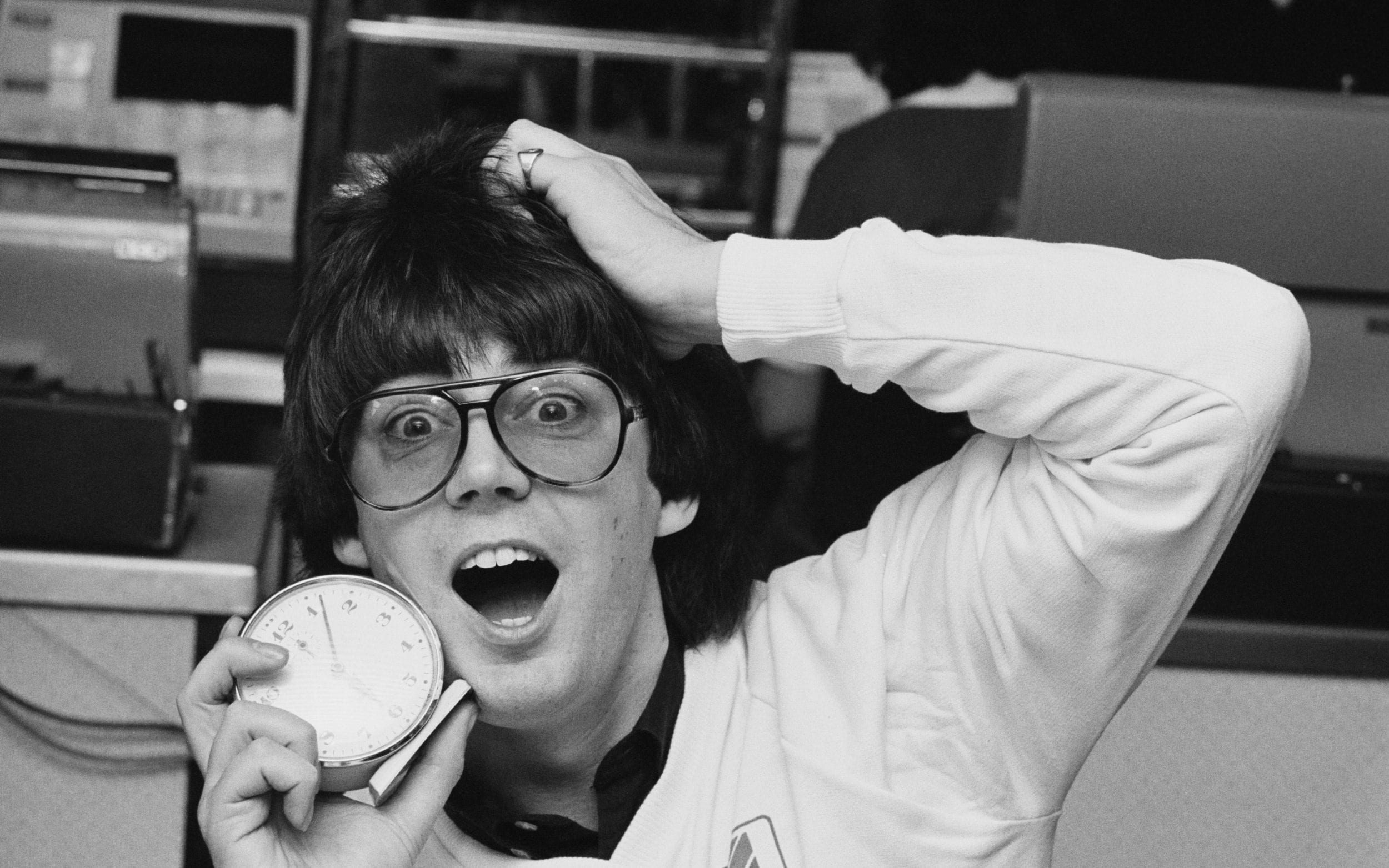
Read hosted Radio 1’s breakfast show between 1981 and 1986 - Hilaria McCarthy/Hulton Archive
Here, you will find a parallel universe where Suzi Quatro rubs shoulders with Take That, Showaddywaddy with the Coral and Dexy’s Midnight Runners with Paper Lace. It’s a world away from the official UK charts, but it’s giving a break to those from yesteryear who are still producing new music. As Read tells me, his station’s chart is voted for by people in more than 100 countries.
“It came about talking to artists like Limahl, Kim Wilde, Toyah [Willcox], Howard Jones and Paul Young,” says Read, in bright blue Bury FC shorts and a Heritage Chart sweatshirt, still boasting the same amazing head of dark hair you can see on Top of the Pops reruns. He’s tanned, thanks to lots of tennis, affable and looking remarkably fit for his age when we meet in the art deco surroundings of Brighton City Airport, near his Sussex home.
“They were saying, ‘You’re playing our new material [at his previous station, Nation Radio], but Radio 2 aren’t,’ and I thought there was a big hole for a station with that USP. Radio 2 is seen as a closed shop by some record producers. Local BBC is the same. They’ll have someone in as a guest. They’ll talk to you for 20 minutes, play the song, and [then] never play it again. Which is a bit daft.”
However, The Heritage Chart is not a money-maker… yet. “It’s philanthropic by default. We’ve always had salespeople that have promised much and delivered little. That’s been our weakest point. We’re gradually getting there. But we do need proper sales and sponsorship,” concedes Read. “We have massive support from the industry, massive support from the artists, who integrate with us more than any other station. They love what we want to do.”
The station’s schedule includes a two-hour Sunday-morning show for Read’s Radio 1 breakfast show predecessor and friend Dave Lee Travis. Although Travis was convicted of indecent assault in 2014, Read believes in giving him a break. “We told him the door was open if he wanted to come and do a programme,” he says. “He hadn’t done anything for years and years and he was very worried. So he thought about it for a year. Eventually, he said, ‘Yeah, I might have a little dabble.’ And he’s really enjoying it.
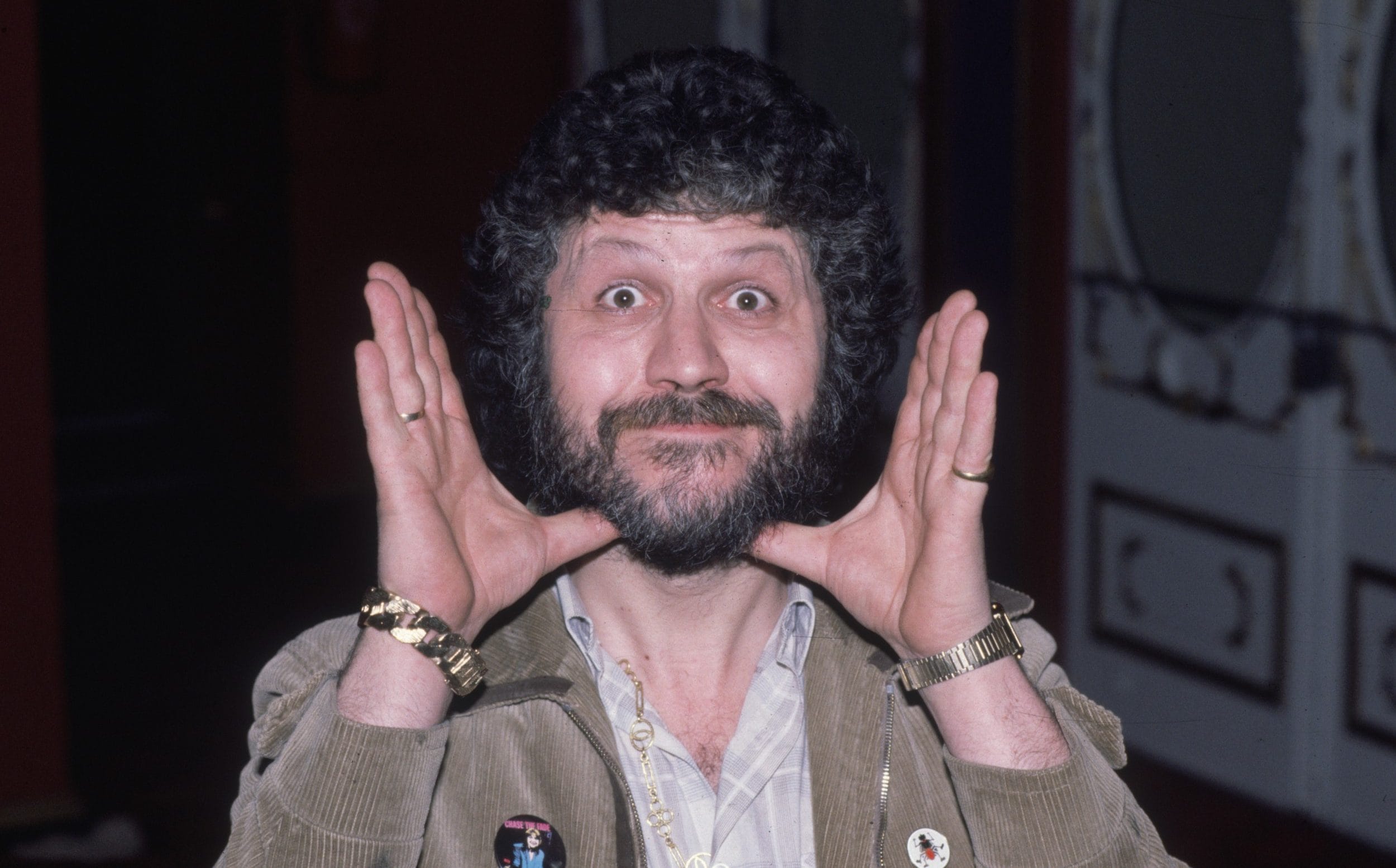
Dave Lee Travis, pictured above in 1981, was convicted of indecent assault in 2014 - Hulton Archive
“I think it’s given him a sense of purpose, to be honest, rather than sitting looking at the wall all day long. He’s into the music and he loves it. And it’s what he’s always done.” Nonetheless, the BBC won’t show his Top of the Pops episodes. “It’s a difficult one to comment on. With Jimmy Savile, you get it,” he says.
Read worked for Radio 1 during the same period as Savile, who spent almost 20 years at the station. What did he make of him? “Our business is full of oddballs, so you kind of accept them,” he says. “Bloke walks in with a cigar and platinum hair and weird clothes, and you go, ‘That’s show business.’ He didn’t let anybody know him. We saw him once a year at a Christmas party, where he came and yodelled a bit, forgot everybody’s name and yodelled off again. He talked a different language, so you couldn’t ever have a conversation with him.
“We used to get asked about him, but it seemed that people outside knew more than Radio 1 did. I remember visiting a hospital where the matron told me he had a room there and they’d tell the kids to pretend to be asleep when he came round. I mean, she was complicit! I would have said he was asexual. Obviously, I would have been wrong.”
Born in Bury, Lancashire, but brought up in Walton-on-Thames, Surrey, Read went into music, writing and recording, before giving it all up to be an estate agent – but only because the father of a girl he had his eye on disapproved of his original career choice. “I was in the studio recording at the time – I was with Cliff Richard’s management – and I told her father what I wanted to do. He said I needed a proper job if I wanted to go out with his daughter.”
After joining a local estate agent, Read discovered he was a natural salesman. “Because I wasn’t that bothered, I sold loads of houses.” He was soon asked to move up to head office, but then he had what he calls his “Hoagy Carmichael moment”.
“He was originally a lawyer,” says Read. “And one day he put his coat on and said, ‘I’m leaving, I want to be a songwriter.’ In my case, I was on the train from Walton to Surbiton going to head office and just as it was about to leave the station, I got off and walked home. I phoned them and told them it wasn’t for me.”
Advertisement
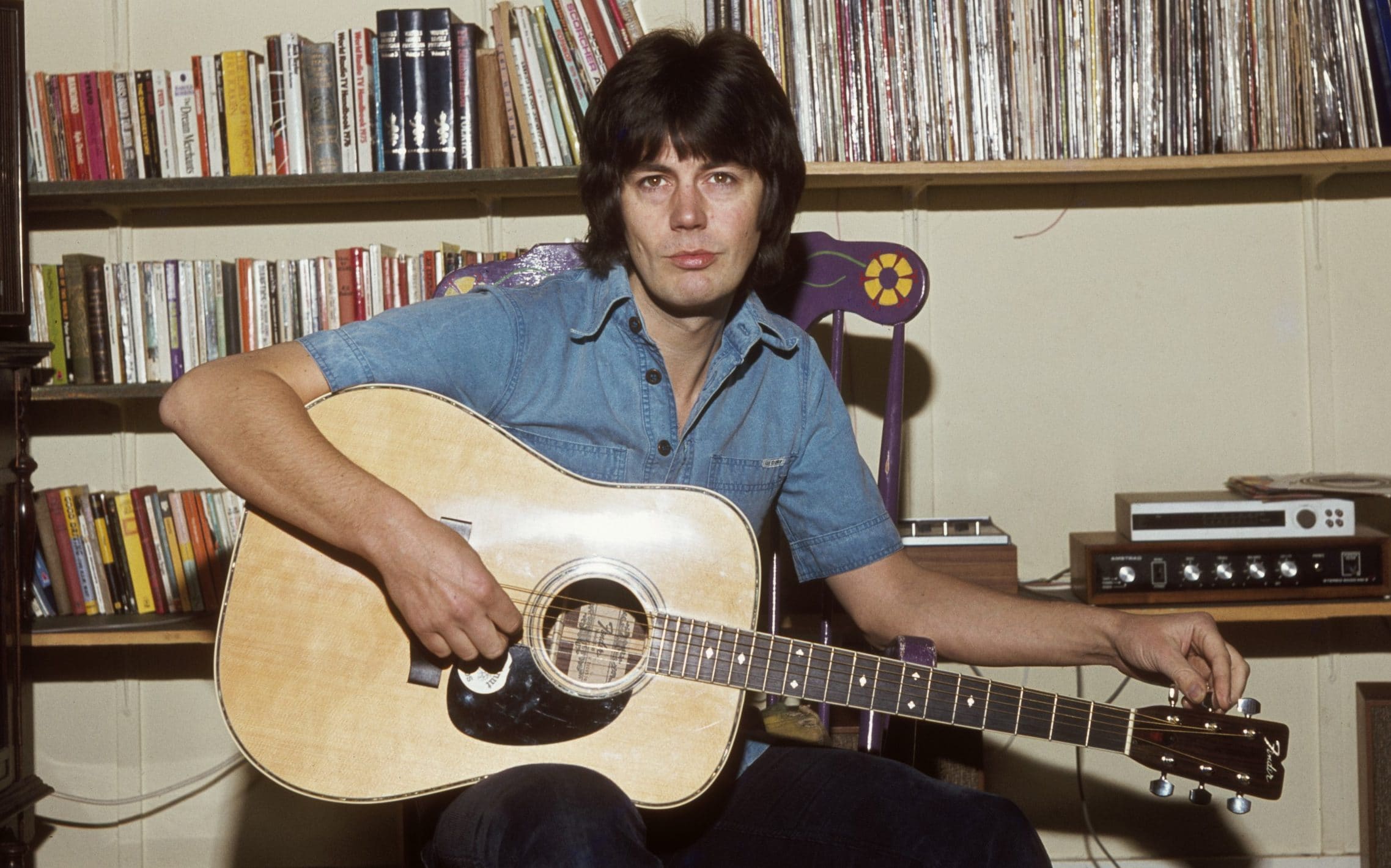
Read in 1981, the year he took over as host of the Radio 1 breakfast show - George Wilkes Archive
In 1976, a cricketing chum, Neil ffrench-Blake, was setting up a new radio station in Reading, Radio 210, and asked Read if he was interested in joining. Read was paired up with another novice, Steve Wright. “We never saw each other socially; we were totally different animals,” he recollects. “But on the radio, we absolutely clicked. We knew instinctively what the other was doing. We did these characters, some of which Steve ran with during his career.”
The following year, Read was picked from 2,000 applicants for a spot on Radio Luxembourg (“I swear it was because they were too lazy to listen to all 2,000 tapes!”) before being recruited in 1978 by Doreen Davies, the head of Radio 1. Initially, he was in the late-night slot (pre-John Peel), then landed the breakfast show in 1981. “I felt slightly fraudulent because you think, ‘This doesn’t belong to me, this belongs to Tony Blackburn or Noel Edmonds,’” he says. “But you knuckle down and gradually become part of the team. Did I enjoy it? I didn’t think that at the time. But I did. And I was lucky to do it.”
His record choices often landed him in hot water – he played what was considered “night-time music”: punk and new wave – with his bosses, who threatened to take him off air. “I got through it, but I had to fight my corner.”
Read faced a bigger battle in 1984 when he got the blame for Frankie Goes to Hollywood’s Relax being banned by the BBC. “I always say to people: ‘Do you want the myth or the truth?’” he tells me. The myth is that he stopped the record halfway through, branding it a disgrace. The truth is the liner notes on the group’s 12-inch single did not sit well with him, specifically the phrase, “Get down there and lick the s--- from his shoes.” So he dropped the song from the running order.
“Paul Morley, quite rightly as their PR, leapt on it,” he recalls. “But the real reason the BBC banned it was the video, originally done for [television show] The Tube and very explicit. They wouldn’t touch it and, because I was high profile, Morley stuck me in the frame.”
A BBC fixture, Read also enjoyed a successful TV career hosting Pop Quiz and children’s morning show Saturday Superstore. “We had everyone on, from Mike Gatting to Mrs Thatcher to David Attenborough to Neil Kinnock – who asked to be seated next to McCartney, ‘because we are both guitarists’. We had all the big pop stars of the day. Once, we had Duran Duran, the Police and Culture Club all on the same episode.”
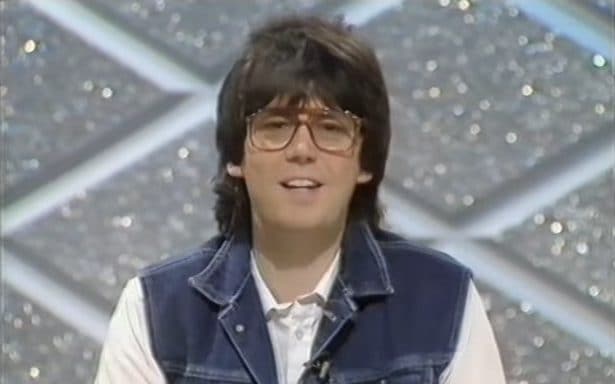
In his heyday Read was a familiar face on television as well as radio, hosting the BBC’s Pop Quiz, above, and Saturday Superstore
Unlike most of his contemporaries, Read didn’t make the jump to Radio 2, instead joining Capital Radio in 1991. “I thought it was a bit daft that they didn’t take me to Radio 2,” he says. “My reasoning was, ‘If you spent all that money building up somebody to a certain point – a name, doing radio, doing TV – why would you give them away to somebody else?’”
From Capital, he went to Classic FM for three years: “You had to remember you were playing Gilbert and Sullivan and not Gilbert O’Sullivan.” It was here that he famously picked up a stalker, Blue Tulip Rose Read, a woman who imagined she was married to him, and who was featured in a 1996 Channel 4 documentary, I’m Your Number One Fan.
“I didn’t talk about it at the time because I’m not an expert in mental health and I didn’t want to push her over the top if she thought I was maligning her or laughing at her,” he says. “But she used to come in with gifts for me – a bicycle, a shopping trolley. She’d send in naked videos and once was found simulating an orgasm in reception. She did rugby tackle me a few times in the car park. I don’t know if she’s still around but I don’t want her to feel any ill will. At Radio 1, someone sent letters accusing me of seeing his wife and said he’d be waiting with a gun. You do get some oddballs.”
Read is no stranger to controversy, having dipped his toe into politics several years ago, showing support for Ukip and Brexit – most notably with his 2014 novelty single, Ukip Calypso, which sang of Farage as prime minister and “illegal immigrants in every town”. A good move in hindsight? “There are some benefits and some detractions is the honest answer,” he says. “But I’m not a politician. Just a bloke with an opinion.”

‘I’m just a bloke with an opinion’: Read found himself at the centre of a row in 2014 after recording a novelty single called ‘Ukip Calypso’ - Ian West/PA
He’d much rather be writing – he’s just completed a musical about Boudicca – or completing 10k walks while taking his daily phone calls, which he does regularly.
Read ploughs his own furrow and that’s the way he likes it. “I remember the head of Radio 1 said, ‘You’re a strange individual, all the others hang out in town, and you go home, take part in a croquet tournament and write poems for Sussex Life.’”
The Heritage Chart Show airs on Talking Pictures TV on Sunday nights; The Heritage Chart can be found at heritagechart.co.uk
Source: “AOL Entertainment”
